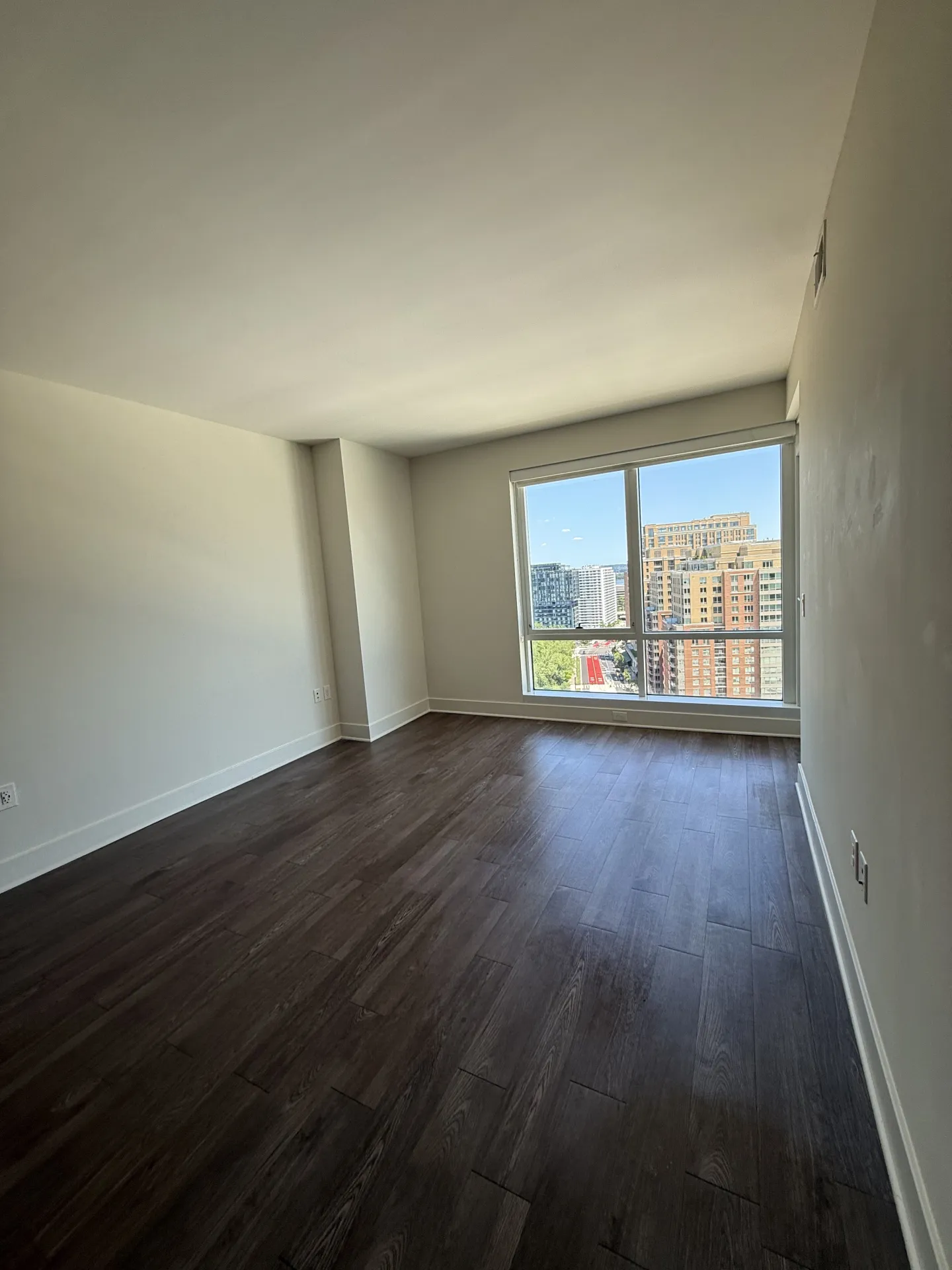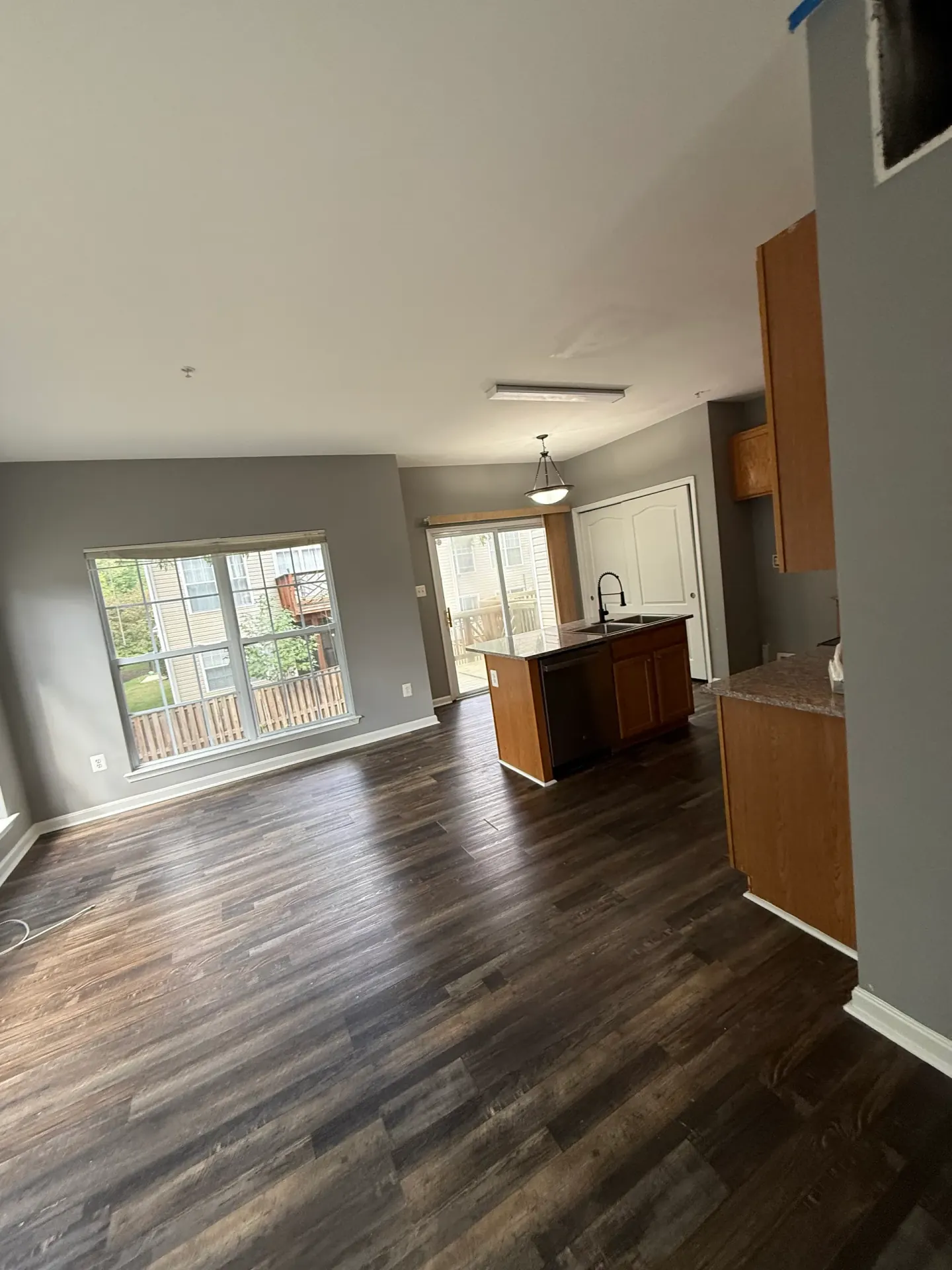
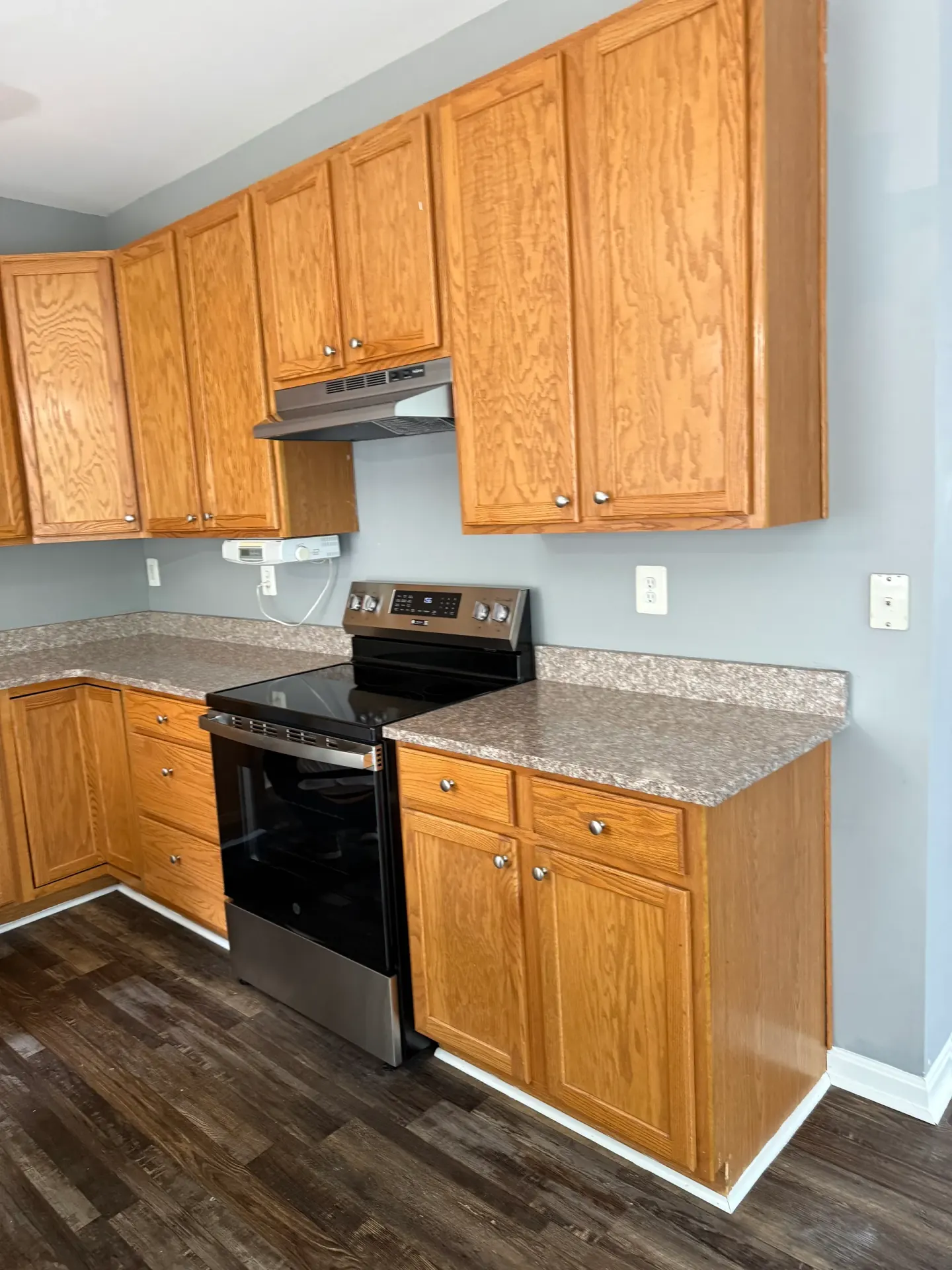
Moving is exhausting, and the final clean always seems to land at the worst possible moment: the truck is packed, the new place needs attention, and the walkthrough is tomorrow. But the condition you leave your rental in can make a real difference to how much of your security deposit comes back.
This checklist walks through every room so nothing gets missed, whether you’re leaving an apartment in DC, a townhouse in Alexandria or a condo in Silver Spring.
A quick note on the rules: Virginia, Maryland and DC each have their own landlord-tenant laws about deposits, inspections and deductions. This article is general cleaning guidance, not legal advice. Read your lease and your move-out instructions carefully, and check your local tenant resources if you have questions about your rights.
Before you start: read your lease
Many leases spell out exactly how the unit should be left: carpets professionally cleaned, appliances wiped inside, no nail holes, and so on. Some property managers hand out a move-out checklist of their own. If you have one, use it as your master list and add anything from the checklist below that it doesn’t mention.
It also helps to find your move-in inspection report or the photos you took when you arrived. Landlords generally can’t charge you for normal wear and tear, but they can charge for dirt, damage and anything left behind. Knowing what the place looked like on day one helps you focus on what actually matters.
The room-by-room move-out cleaning checklist
Kitchen
The kitchen is where most deductions come from, so give it the most time.
- Empty, wipe and dry the inside of every cabinet and drawer
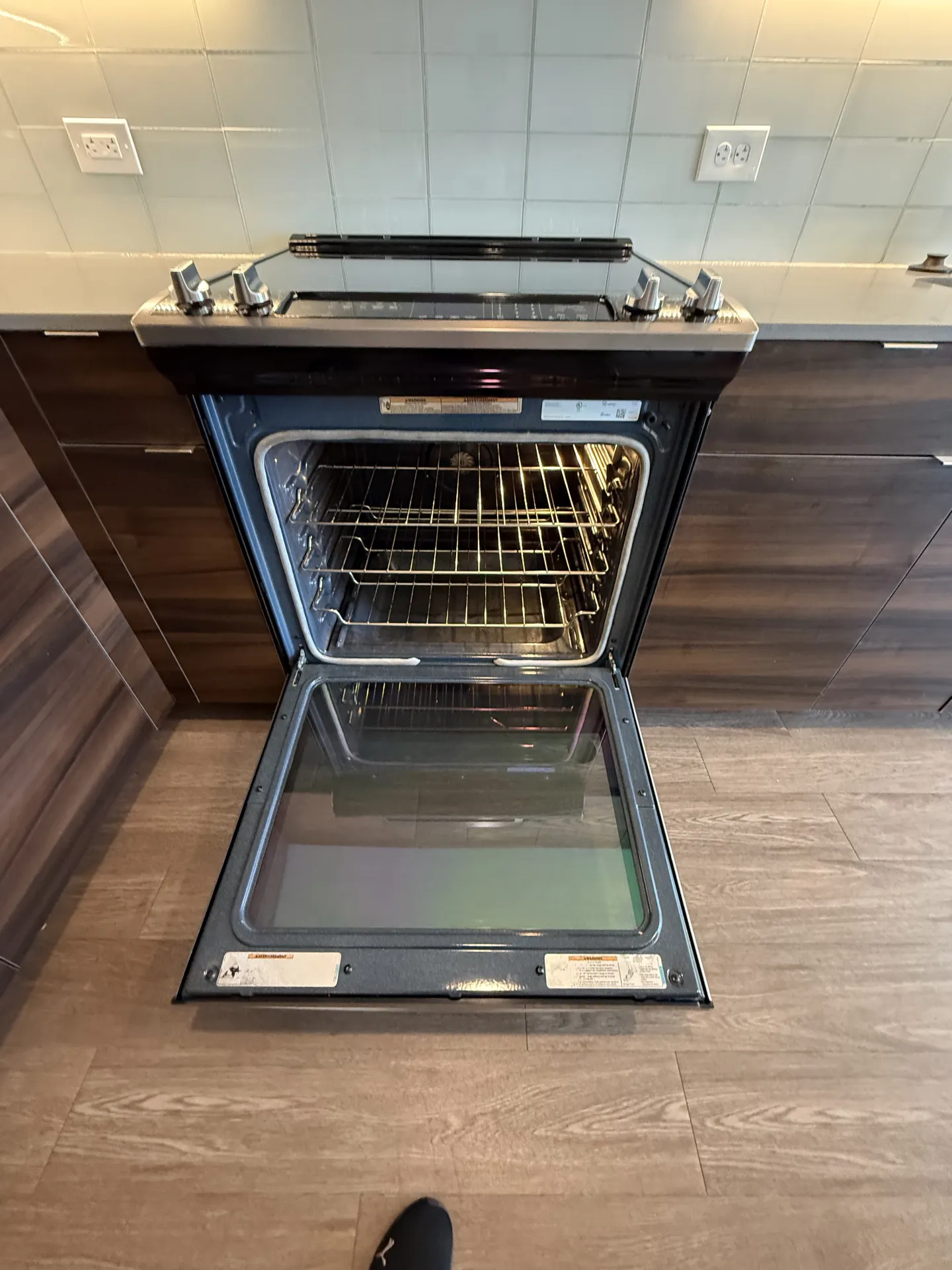
- Clean the inside of the oven, including racks and the door glass
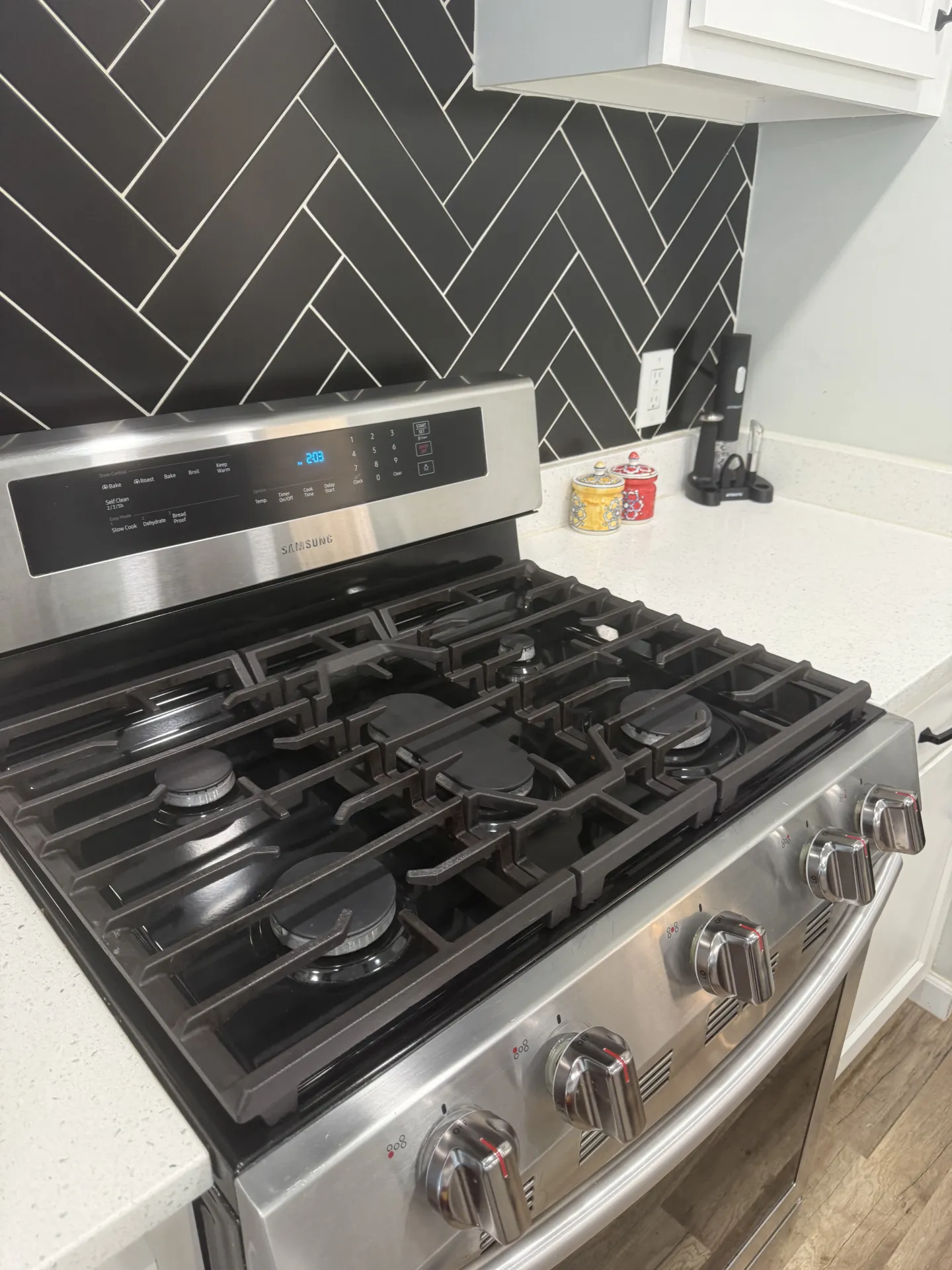
- Degrease the stovetop, burner grates and drip pans
- Clean the range hood and replace or wash the filter if you can
- Empty, defrost if needed, and wipe out the fridge and freezer, including shelves and drawers
- Clean the microwave inside and out
- Run and wipe the dishwasher, and clear the filter
- Scrub the sink and faucet, and run the disposal with water
- Wipe the backsplash, counters and cabinet fronts
- Sweep and mop the floor, including under the edges of appliances you can safely move
Bathrooms
- Scrub the toilet inside and out, including the base and behind it
- Remove soap scum and hard water spots from the tub, shower and glass
- Clean grout and caulk lines as much as possible
- Wipe the vanity, inside drawers and the medicine cabinet
- Polish mirrors and fixtures
- Clean the exhaust fan cover
- Mop the floor and wipe baseboards
Bedrooms and living areas
- Dust ceiling fans and light fixtures
- Wipe window sills and window tracks
- Clean closet shelves, rods and floors
- Wipe baseboards, door frames and light switches
- Spot-clean marks and scuffs on walls (test a hidden area first)
- Vacuum carpets thoroughly, or have them professionally cleaned if your lease requires it
- Sweep and mop hard floors
Throughout the home
- Remove every personal item, including anything in storage closets, the balcony or the parking spot
- Replace burnt-out light bulbs
- Check outlets and switch plates for smudges
- Clean interior windows and sliding door tracks
- Take out all trash and recycling following your building’s rules
Common move-out cleaning mistakes
Leaving the kitchen for last. By the end of moving day, energy is low. Ovens and fridges take time, so start there while you’re still fresh.
Forgetting inside things. Cabinets, drawers, the oven, the fridge and the dishwasher filter are easy to overlook because they’re closed. Inspectors open them.
Using the wrong products. Harsh scrubbers can scratch stainless steel, stone counters and glass cooktops. Damage is worse than dirt, so use products made for the surface.
Cleaning before the move is finished. Furniture and boxes leave dust and scuffs on the way out. Do the final clean once the home is empty.
Document everything
When you’re done, take clear photos or a short video of each room, including the inside of appliances and cabinets. Note the date. If there’s ever a disagreement about the condition of the unit, you’ll have a record of how you left it.
If your landlord offers a pre-move-out inspection, take it. It’s a chance to hear what they’ll look for while you still have time to fix it.
Should you hire a move-out cleaning service?
Doing it yourself is absolutely possible with the checklist above, but it takes a full day for most homes, often longer for larger houses. A professional move-out cleaning is a full deep clean of the empty home, including inside cabinets, drawers, closets and appliances, so you can focus on the move itself.
It’s especially worth considering if:
- You’re moving from one DMV city to another on a tight timeline
- The oven, bathrooms or floors need more than a quick wipe
- You’re already moved out and can’t easily get back to clean
- Your lease asks for a professional-level clean
E&E Family Cleaning provides move-out cleaning across the DMV, including Alexandria, Arlington, Silver Spring and Washington DC. Moving into a new place too? Pair it with a move-in cleaning and start fresh on both ends.
Request a free move-out cleaning quote and we’ll confirm the price before scheduling.
Frequently asked questions
Does a professional cleaning guarantee I’ll get my full deposit back?
No one can guarantee that. Deductions can also come from damage, unpaid rent or lease terms that have nothing to do with cleaning. A thorough clean simply removes cleanliness as a reason for deductions.
When should I schedule move-out cleaning?
After everything has been moved out and before your final walkthrough. Booking a day or two ahead of the inspection gives you a buffer if anything needs a second look.
Do I need to clean the carpets?
Check your lease. Some require professional carpet cleaning at move-out; others only expect a thorough vacuum. If it’s required, keep the receipt.
What counts as normal wear and tear?
Generally, it’s the gradual deterioration that comes from ordinary living, like lightly worn carpet or faded paint. The exact definition depends on your jurisdiction and lease, so check your local tenant resources if you’re unsure.
Get a free, no-obligation quote
Tell us about your space and we'll confirm the price before anything is scheduled.