
A clean office is one of those things nobody notices until it’s missing. Overflowing trash, a sticky break room counter, or a restroom that’s out of paper towels before lunch: these small things shape how employees feel at work and how clients see your business.
But how often does an office actually need to be cleaned? The right answer depends on your team size, how much foot traffic you get and what kind of space you’re running. This guide gives you a practical starting point for small businesses around the DMV.
The short answer
For most small offices, a good baseline looks like this:
- Daily or every workday: high-traffic and hygiene-sensitive areas, such as restrooms, kitchens, trash and high-touch surfaces
- Weekly: a full cleaning of the whole space, including vacuuming, mopping and dusting
- Monthly or quarterly: detail work, such as baseboards, vents, interior windows and appliance interiors
Smaller, low-traffic offices can stretch the weekly visits; busy offices with customers coming through may need professional cleaning several times a week.
Office cleaning schedule by area
Restrooms
Restrooms set the tone for how clean your entire office feels. In a shared office, they should be checked and refreshed daily, with supplies restocked. A thorough professional cleaning (toilets, sinks, mirrors, floors and partitions) is typically needed at least weekly, and more often if many people use them.
Kitchens and break rooms
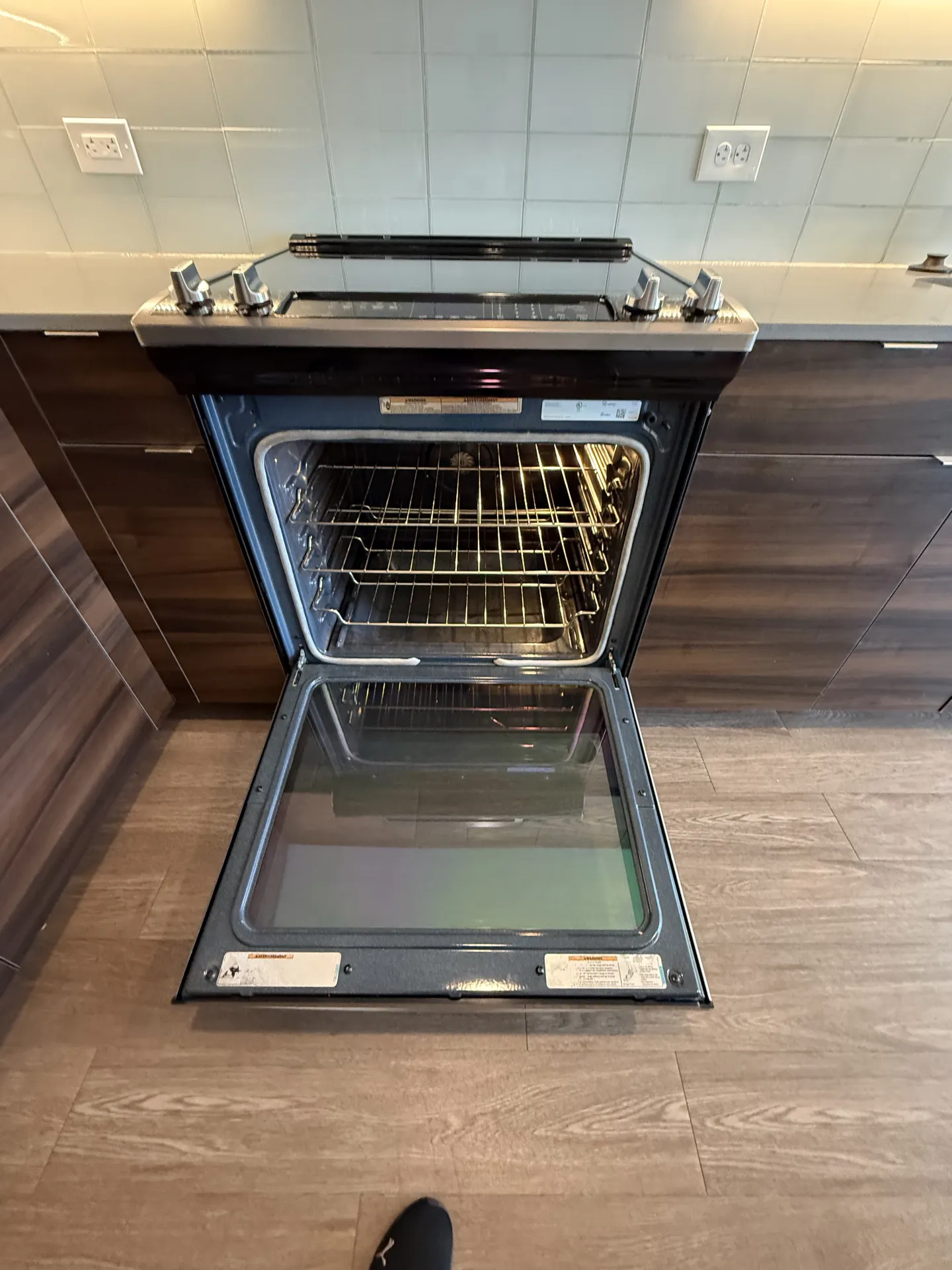
Break rooms collect crumbs, spills and forgotten food fast. Counters, sinks and table tops should be wiped daily. Microwave interiors and the fridge benefit from a weekly cleanout. Pick a “fridge day” so employees know when unlabeled food gets thrown away.
Desks and high-touch surfaces
Door handles, light switches, elevator buttons, shared phones, printers and conference room tables get touched by everyone. Wiping these down regularly, daily in busy offices, is one of the simplest ways to keep a workplace feeling cared for.
Individual desks are usually each employee’s responsibility, but clear desks make it much easier for cleaners to wipe surfaces properly.
Floors
- Entryways and reception: vacuum or sweep often; this is where outdoor dirt comes in. In the DMV winter, salt and slush make entry mats and floors a constant battle.
- Carpeted work areas: vacuum at least weekly, more in high-traffic zones.
- Hard floors: sweep and mop weekly, or more often in kitchens and entrances.
Trash and recycling
Empty bins at least a few times a week, and daily in kitchens and restrooms. Odors spread quickly in shared spaces.
Detail work
Baseboards, vents, light fixtures, blinds, interior glass and upholstered chairs don’t need weekly attention, but they collect dust over time. Schedule them monthly or quarterly so they don’t become a big project.
Factors that change how often you should clean
Team size and density
The more people sharing a space, the faster it gets dirty. A three-person office in a quiet Fairfax suite has very different needs from a 25-person team in a shared DC floor plan.
Client and customer traffic
If clients visit your office, such as a law office, clinic, salon or real estate office, the reception area, restrooms and meeting rooms need to look their best every day.
Type of business
Offices that handle food, have customer-facing counters or see heavy foot traffic need more frequent cleaning than a quiet back office. If your industry has specific sanitation rules, those come first.
Season
Flu and cold season and the DMV’s slushy winters typically mean more frequent cleaning of entryways and high-touch surfaces. Spring pollen can also leave a film on surfaces and window sills.
What your team can handle vs. what to outsource
Many small businesses split the work:
Your team (daily habits):
- Clearing personal desks
- Rinsing dishes and wiping up spills
- Labeling food in the fridge
- Reporting supply shortages
Professional cleaners (scheduled visits):
- Restroom sanitizing and restocking
- Full floor care: vacuuming and mopping
- Dusting, trash removal and recycling
- Kitchen and break room deep cleaning
- Periodic detail work
Outsourcing the scheduled work means your team stays focused on their jobs, and cleaning doesn’t depend on who has time that week.
Building a schedule that fits your business
- List your spaces: reception, offices, conference rooms, restrooms, kitchen, storage.
- Mark the high-traffic areas that need daily attention.
- Choose a weekly full-clean day, often Friday evening or a weekend, so the office is fresh for Monday.
- Add monthly or quarterly detail tasks.
- Review after a month and adjust. If restrooms still look tired by Wednesday, add a midweek visit.
Professional office cleaning in the DMV
E&E Family Cleaning provides commercial cleaning for offices, storefronts and workspaces across the DMV, including Arlington, Washington DC, Rockville and Fairfax. We work around your hours, including evenings and weekends, so cleaning never disrupts your operations.
Request a free quote and tell us about your space; we’ll help you choose a schedule and confirm the price before anything starts.
Frequently asked questions
How often should a small office be professionally cleaned?
For most small offices, once or twice a week is a good starting point, with daily attention to restrooms, kitchens and trash. Busier offices or those with client traffic may need more frequent visits.
Can office cleaning be done after hours?
Yes. Many businesses prefer evening or weekend cleaning so the work doesn’t interrupt the team or clients.
What’s the difference between office cleaning and janitorial service?
The terms often overlap. Generally, both cover routine cleaning; some janitorial contracts also include tasks like restocking supplies or minor upkeep. Ask any provider for a clear list of what’s included.
Do I need to provide cleaning supplies?
It depends on the provider. Ask when you request a quote so it’s clear who supplies products and equipment.
Get a free, no-obligation quote
Tell us about your space and we'll confirm the price before anything is scheduled.